Here is what you should have on your blog for Term2:
6 Painting with Light Experiments- Contact Sheet of the experiments and best posted to blog.
3 HDR Landscapes- Contact Sheet and 1 Photoshop, 1 Photomatix, 1 Choice
3 Day to Night Portraits- Contact Sheet of the 9 evolution exposures from 3 shoots =27 total and 3 final best images (one from each shoot).
4 Photoshop Experiments- Day to Night, B/W, Short Depth of Field, Selective Colour.
2014 in Photos- 2 Favorite Photos from 2014, "Big News" and "Light Hearted".
Lana Slevic- Questions and answers.
3 Levitation- Contact Sheet and 3 best photos.
Cinematic Portrait Ideas- found photos and rough plan of attack...
Tuesday, February 3, 2015

Monday, January 26, 2015
12 Photo Essay
The Photo Essay
Watch
TED Talk with Paul Nicklen, National Geographic Photographer
TED Talks with David Griffin, National Geographic Editor.
A photo essay is something designed for publication, either in print or on the internet. The guidelines below are based on the idea of an article presented as a series of two-page spreads as you might find in a newspaper or a magazine. Follow basic guidelines below.
Take at least 35 photos of your topic.
Event photo essays: this type of photo essay centers around an event, usually a news type event such as Remembrance Day, or a school dance. May be photographed in a linear sequence, but not necessarily.
Time sequence photo essays: any linear sequence of events such as news events come in to this category. The time span can be one day day or one year or even a decade or two or longer.
Location photo essays: these can be done locally or when traveling and are usually thematic rather than linear.
Idea photo essays: this can be a series of photographs around a more abstract idea such as love, health, hope, poverty and so on.
5 Photo Essay Tips
A photo essay isn’t simply for photojournalists however. Every human being is drawn to stories. Whether you are an amateur or a professional, the photo essay is a brilliant way to bring your images to life and touch your friends, family, and fellow students.
Find a topic: Photo essays are most dynamic when you as the photographer care about the subject. Whether you choose to document the first month of a newborn in the family, the process of a school drama production, or even a birthday party, make your topic something in which you find interest.
Find the “real story”: After your research, you can determine the angle you want to take your story. Is the newborn the first son of a wealthy family on whom the family legacy will continue? Or does the baby have a rare heart condition? Is the drama production an effort to bring the student body together? Or is it featuring a child star? Is the birthday party for an adolescent turning 13, or the last birthday of a dying cancer patient? Though each story idea is the same, the main factors of each story create an incredibly unique story.
Photo Essay Examples
Dina Goldstein- check out the "Track Record" my favourite
Life- After Forclosure
James Nachtwey- World renown Photojournalist, heart wrenching stories.
Chris Jordan
Natalie Behring
Carol Guzy
20 Great Photojournalists
Evaluation:
Print a contact sheet and seven 5 x 7 prints or post them on a blog...
Contact Sheet: Clearly/thoroughly explores your chosen topic in 35 frames. Compositionally strong, creative treatment of subject, technically sound (lighting, exposure, focus, depth of field, shutter, ISO etc), professional-top seven images are selected. 10 marks
7 Prints: 5 marks each for a total of 35 marks
Each image is:
1. Technically sound (focus, depth of field, exposure, shutter)
2. Compositional devices used to create eye catching photographs (strong emphasis and elements and principals of design used).
3.Story is clearly expressed- photo essay techniques used.
4. Creative treatment of topic.
5. Series is presented in an professional way. Include captions for each image
(If you post it on the internet, make sure you have permission from your subject)
Watch
TED Talk with Paul Nicklen, National Geographic Photographer
TED Talks with David Griffin, National Geographic Editor.
A photo essay is something designed for publication, either in print or on the internet. The guidelines below are based on the idea of an article presented as a series of two-page spreads as you might find in a newspaper or a magazine. Follow basic guidelines below.
Take at least 35 photos of your topic.
- First photo the viewer sees sums up the story in one shot. Be direct in communicating what this photo essay is about, i.e "Dance Show" take a photo of dancers getting ready in front of a mirror.
- Second photograph sets the scene straight away. Supports the idea give information.
- Include detail shots such to give a visual balance to your sequence of photographs.
- Leave open/white space occasionally. Be creative! White space can help to break up a rhythm that is in danger of becoming monotonous.
- The final image gives a feeling of completeness to the photo essay.
- Print a contact sheet of your 35 + photos (no more than 100). Print them out (not too big!) and spread them all out on a table.
- Select, edit and organize with a group. Then make a second choice, whittling it down to about six. Shuffle them around, try different combinations. What is most fascinating about creating a photo essay is the creative process and how you find new combinations and juxtapositions that enhance your work.
- Create a title. The title sums up your essay - it should be short and to the point. The first word is called 'the information word' and it is the most important. Here, the title is just three words long but it sums up the essay. Don't waste words.
- Create short captions. Short sentences that sum up the information offered in the photo.
Event photo essays: this type of photo essay centers around an event, usually a news type event such as Remembrance Day, or a school dance. May be photographed in a linear sequence, but not necessarily.
Time sequence photo essays: any linear sequence of events such as news events come in to this category. The time span can be one day day or one year or even a decade or two or longer.
Location photo essays: these can be done locally or when traveling and are usually thematic rather than linear.
Idea photo essays: this can be a series of photographs around a more abstract idea such as love, health, hope, poverty and so on.
5 Photo Essay Tips
A photo essay isn’t simply for photojournalists however. Every human being is drawn to stories. Whether you are an amateur or a professional, the photo essay is a brilliant way to bring your images to life and touch your friends, family, and fellow students.
Find a topic: Photo essays are most dynamic when you as the photographer care about the subject. Whether you choose to document the first month of a newborn in the family, the process of a school drama production, or even a birthday party, make your topic something in which you find interest.
Do some research: If you document a newborn’s first month, spend time with the family. Discover who the parents are, what culture they are from, whether they are upper or lower class. If you cover the process of a school’s drama production, talk with the teachers, actors and stage hands; investigate the general interest of the student body; find out how they are financing the production and keeping costs down. If you photograph a birthday party, check out the theme, the decorations they plan on using, what the birthday kid hopes to get for his or her gifts. All of these factors will help you in planning out the type of shots you set up for your story.
Find the “real story”: After your research, you can determine the angle you want to take your story. Is the newborn the first son of a wealthy family on whom the family legacy will continue? Or does the baby have a rare heart condition? Is the drama production an effort to bring the student body together? Or is it featuring a child star? Is the birthday party for an adolescent turning 13, or the last birthday of a dying cancer patient? Though each story idea is the same, the main factors of each story create an incredibly unique story.
Touch the heart of its audience. Anger. Joy. Fear. Hurt. Excitement. The best way you can connect your photo essay with its audience is to draw out the emotions within the story and utilize them in your shots. This does not mean that you manipulate your audience’s emotions. You merely use emotion as a connecting point.
Plan your shots: Whether you decide to sit down and extensively visualize each shot of the story, or simply walk through the venue in your mind, you will want to think about the type of shots that will work best to tell your story. I recommend beginners first start out by creating a “shot list” for the story. Each shot will work like a sentence in a one-paragraph story. Typically, you can start with 10 shots. Each shot must emphasize a different concept or emotion that can be woven together with the other images for the final draft of the story.
Photo Essay Examples
Dina Goldstein- check out the "Track Record" my favourite
Life- After Forclosure
James Nachtwey- World renown Photojournalist, heart wrenching stories.
Chris Jordan
Natalie Behring
Carol Guzy
20 Great Photojournalists
Evaluation:
Print a contact sheet and seven 5 x 7 prints or post them on a blog...
Contact Sheet: Clearly/thoroughly explores your chosen topic in 35 frames. Compositionally strong, creative treatment of subject, technically sound (lighting, exposure, focus, depth of field, shutter, ISO etc), professional-top seven images are selected. 10 marks
7 Prints: 5 marks each for a total of 35 marks
Each image is:
1. Technically sound (focus, depth of field, exposure, shutter)
2. Compositional devices used to create eye catching photographs (strong emphasis and elements and principals of design used).
3.Story is clearly expressed- photo essay techniques used.
4. Creative treatment of topic.
5. Series is presented in an professional way. Include captions for each image
(If you post it on the internet, make sure you have permission from your subject)
Tuesday, January 20, 2015
11 Theatrical Studio Portrait Lighting
 |
| Gregory Crewson |
First check out some tutorials and then find some inspiration 5+ images form the internet of theatrical portraits. Check out the work by Gregory Crewdson, Alex Prager, Kirsty Mitchell, Annie Leibovitz, Jeff Wall, Irwin Olaff (warning some explicit images), Kharin Hill (look at music portraits), Sandy Skoglund, Cindy Sherman, and many more and then post them on your blog.
Jeff Wall, Cindy Scherman, Gregory Crewdson, Annie Leibovitz, Disney Leibovitz Shoots Marie Anoinette, Kirsty Mitchell, Alex Prager, Erwin Olaff.
More Inspiring Artists: Jan Vermeer, Edward Hopper, Eugene Meatyard,
Then plan your portraits. Check out the Theatrical Portraits criteria on my school web site.
If you have never tried studio lighting before, I will give a brief review next class.
For this assignment, you are to use one light, to create a dramatic, theatrical portrait scenario.
http://digital-photography.wonderhowto.com/how-to/master-single-light-studio-portraits-photography-225309/
If you have used studio lighting before, then you are to try a location and use mixed lighting. So go out and find a background that is interesting to create a theatrical scenario and add your model and a studio light:
Monday, January 19, 2015
11 Photography: A Short List of Really Great Photographers
Portrait
Cindy Sherman - http://www.pbs.org/art21/watch-now/segment-cindy-sherman-in-transformation
Mary-Ellen Mark- http://www.maryellenmark.com/
http://vimeo.com/35321192
Richard Avedon
Herb Ritz
Cecil Beaton
Phillipe Halsman
Yousuf Karsh
Ansel Adams- Landscape Photographer
Edward Weston
Richard Avedon
Irving Penn
Nan Golden
Bill Cunningham - http://www.zeitgeistfilms.com/billcunninghamnewyork/ GREAT FILM!
Vivian Maier-
Cindy Sherman - http://www.pbs.org/art21/watch-now/segment-cindy-sherman-in-transformation
Mary-Ellen Mark- http://www.maryellenmark.com/
http://vimeo.com/35321192
Richard Avedon
Herb Ritz
Cecil Beaton
Phillipe Halsman
Yousuf Karsh
Landscape/World
Ansel Adams- Landscape Photographer
Edward Weston
Journalism
Henri Cartier BressonAdvertising
Irving Penn - https://www.google.ca/search?q=carolyn+cole&espv=210&es_sm=91&source=lnms&tbm=isch&sa=X&ei=BH4NU7LuJNDCoATz4oGYBw&ved=0CAkQ_AUoAQ&biw=1536&bih=1275#q=irving+penn&tbm=ischFashion
Melvin Sokolsky - http://www.sokolsky.com/Richard Avedon
Irving Penn
Social Commentary
Diane ArbusNan Golden
Street
Robert Frank- http://www.youtube.com/watch?v=mHtRZBDOgagBill Cunningham - http://www.zeitgeistfilms.com/billcunninghamnewyork/ GREAT FILM!
Vivian Maier-
Sunday, January 18, 2015
11 Photographer Project
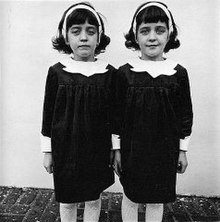
Criteria- Grade 11 Dead Photographer Assignment
- Select a notable/historic photographer from the past who made an impact in the medium. Find a photographer who you are interested in. This is likely the most challenging and important of the steps; find a photographer that inspires you.
- Research several using the internet. Find your top 5 five favorite. Write 5 important points about each and put in your journal with an image for each and narrow it down to one.
- Write an article about the photographer's life, the medium, photo style, and offer an opinion reflection and commentary of their work in 500 to 750 words. Make sure you include a bibliography.
- Share your photographer with the class any way you want. You are to articulate information from your article to the class verbally, and visually.
- Photograph in their style, create a contact sheet and five 5 x 7 prints.
If that doesn't work for you,
index of photographers
Photography Now
Magnum Photo
International Center of Photography
Profoto List
Masters of Photography.com
The Masters of Photography
Tuesday, January 6, 2015
Documentary Photographer- Lana Slezic
https://www.knowledge.ca/program/snapshot-art-photography
- Who is Lana Slezic and what makes her special/famous?
- Name three places Lana Slezic has travelled to to document?
- What is she mostly interested in photographing? What is her approach, or philosophy?
- Identify three of the issues that Lana has documented. Explain her approach what she has learned or shared with us.
- Find three images that Lana has taken and post them to your blog. Write a short reflection of each photograph.
Monday, January 5, 2015
2014 in Pictures
nbcnews.com
www.reuters.com
Light Hearted Photojournalism
www.msn.com/reuters-most-liked-instagram-images-of-2014/ss-BBgUg83
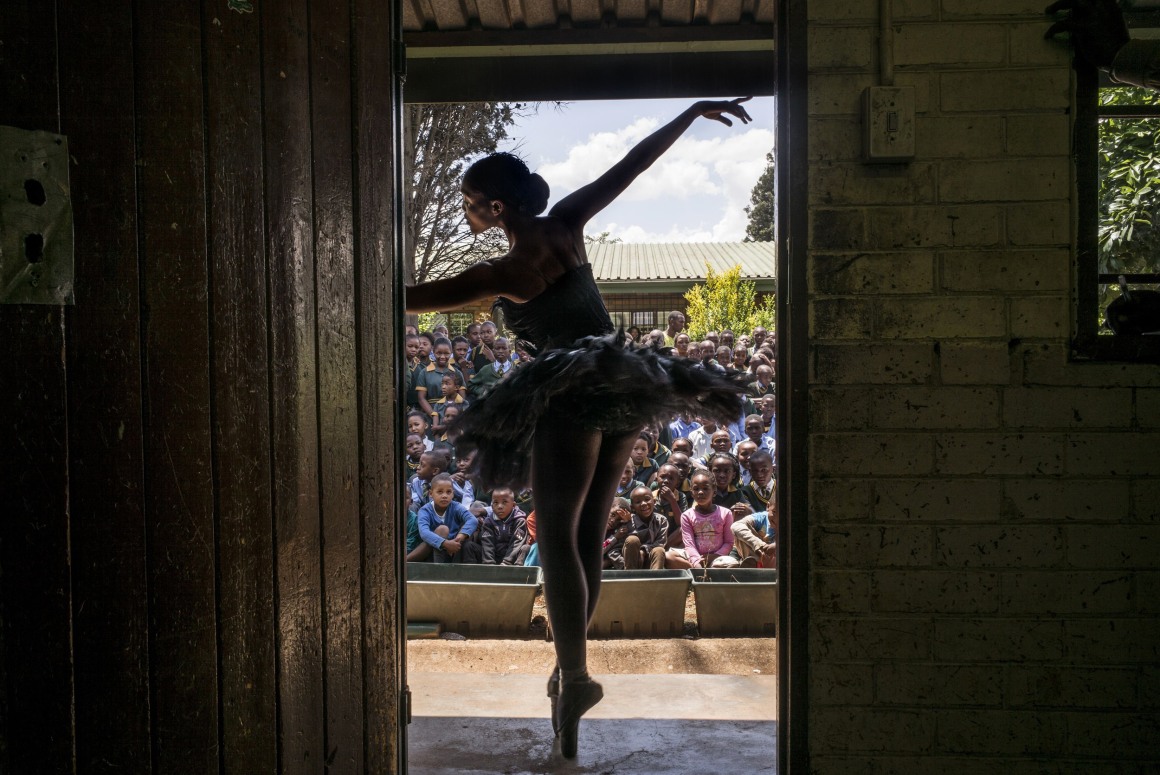
First as a class, we are going to view some of the photos from 2014.
Then reflect on your year. What stories do you remember? What stories made you think? What images stuck with you?
Select one of the "Big News" stories that made an impact on you some how.
Post the image to your blog.
- Describe the story: What happened? Explain the details of the story.
- Describe the image that accompanies the story.
- Identify the main subject,
- Describe background details,
- What is the emphasis/compositional technique used?
Then select from Light Hearted answer the above questions.
Subscribe to:
Posts (Atom)